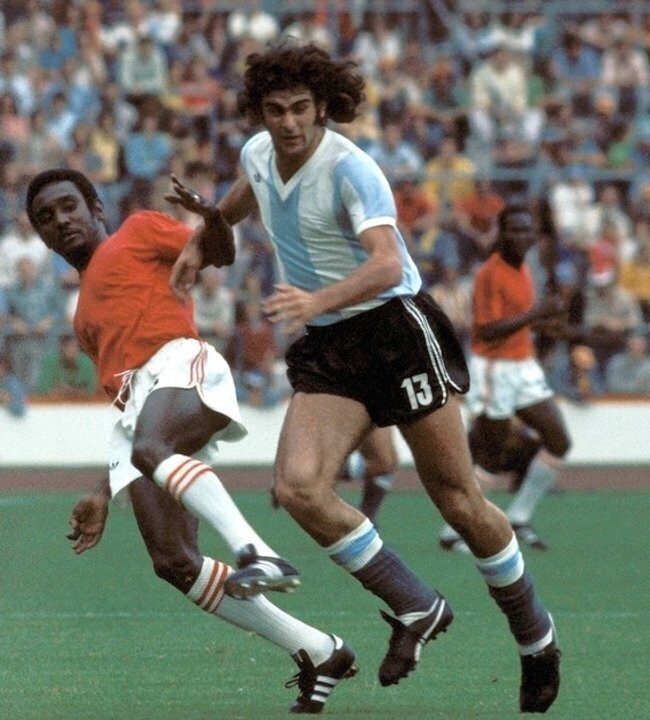
Haiti has qualified for the 2026 FIFA World Cup. In the decisive match, the team secured a 2-0 victory over Nicaragua, combined with a draw between Honduras and Costa Rica, which secured their place in the tournament. This win was crucial for advancing from a group where they had previously lost to Poland and drawn with Italy. It's worth noting that Haiti was in a very tough group with the Netherlands, Brazil, and East Germany. Haiti's qualification for the 2026 World Cup comes in a completely different context than their golden age in the 1970s, when the team, led by Antoine Tassy, won the Concacaf in 1973, earned their first World Cup spot, and competed with stars like Emmanuel Sanon. This time, their return was sealed by a 2-0 win over Nicaragua, while Honduras and Costa Rica drew. This campaign was marked by the efforts of a squad that cannot even play at home for security reasons. The current Haitian football situation also has its own unique features: their coach, Sébastien Migné, manages without ever having set foot in Haiti, handling training, tactics, and selections remotely. Haiti returns to the world's biggest sporting stage with resilience as its flag and is set to write a new chapter in 2026, 52 years after their first appearance. In this historic return, a memory inevitably resurfaces: their last World Cup match was against Argentina. That one and only time the two teams met was at the 1974 World Cup in Germany, where the team led by Vladislao Cap won 4-1 and secured a place in the second phase. In that match, Argentina went to halftime with a solid 2-0 lead thanks to goals from Héctor Yazalde and René Houseman. Furthermore, a large part of the current squad is from the diaspora in France and other European countries, a combination that has allowed them to build a competitive team despite institutional instability and logistical limitations. Beyond football, this World Cup qualification is an emotional boost for a nation hit by deep crises.