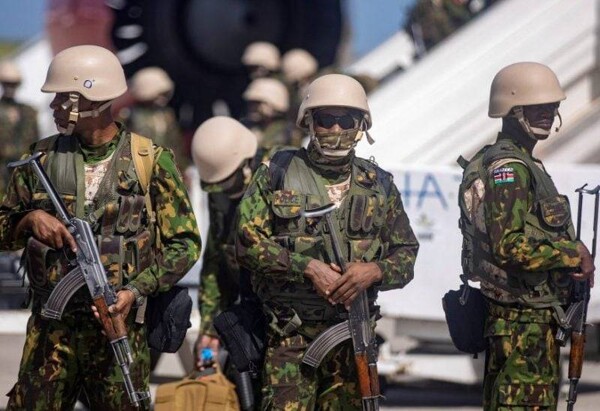
Panamanian authorities expressed their concern about the situation in Haiti, highlighting the influence of drug trafficking and arms trafficking gangs in the country. Erika Mouynes, former Foreign Minister of Panama, pointed out that the lack of a clear roadmap contributes to this problem, mentioning that many economically influential families from Haiti live abroad, especially in Miami, and send remittances back to the country.
For his part, Costa Rican Foreign Minister Arnoldo André described Haiti as a "failed state," emphasizing the absence of solid republican or state structures. André also mentioned that the crisis in Haiti is causing an increase in migration to countries like Costa Rica, Panama, and other Central American territories. He also highlighted the pressure the Haitian population is under and the role of the Dominican Republic as a neighboring country directly affected.
The statements were made during the Security Conference in Munich, Germany, where the UN High Commissioner for Human Rights, Volker Türk, urged to identify those behind the gangs in Haiti and uncover who benefits from the chaos in the country. Türk emphasized the need to investigate the flow of money supporting Haitian armed gangs and bring those responsible to justice.
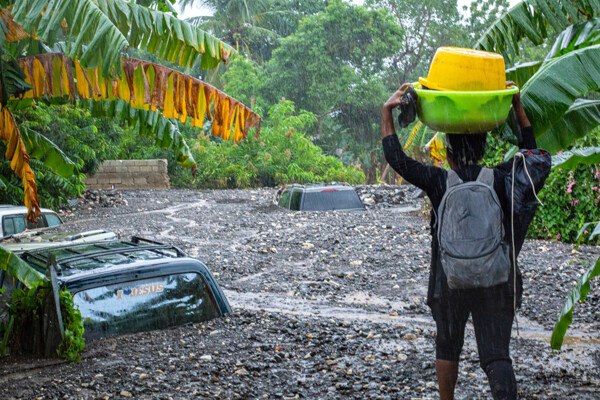
Additionally, the International Organization for Migration reported a drastic increase in displaced persons in Haiti, surpassing one million due to the prevailing insecurity. The UN verified that in 2024, 5,626 people lost their lives in Haiti at the hands of criminal gangs, while 2,213 were injured and 1,494 were kidnapped. The situation has become critical, with severe humanitarian consequences nationwide.