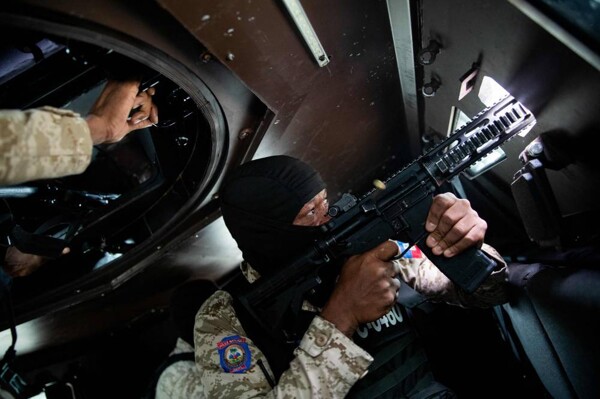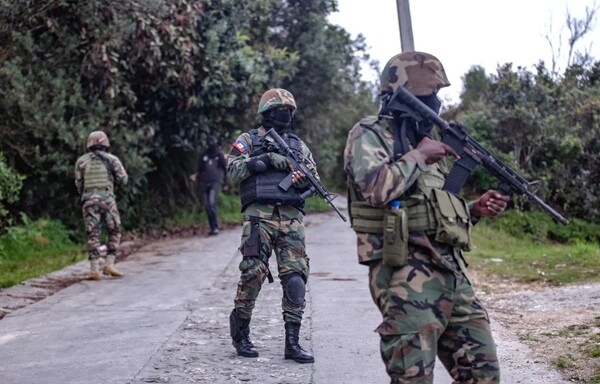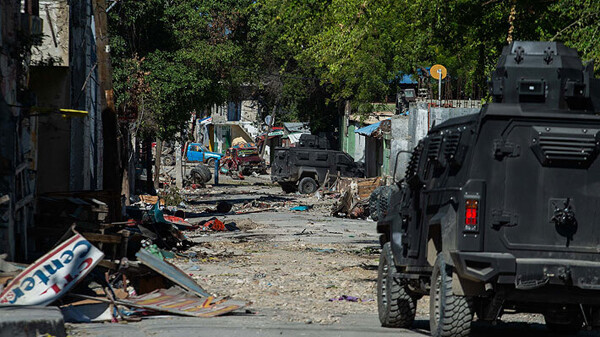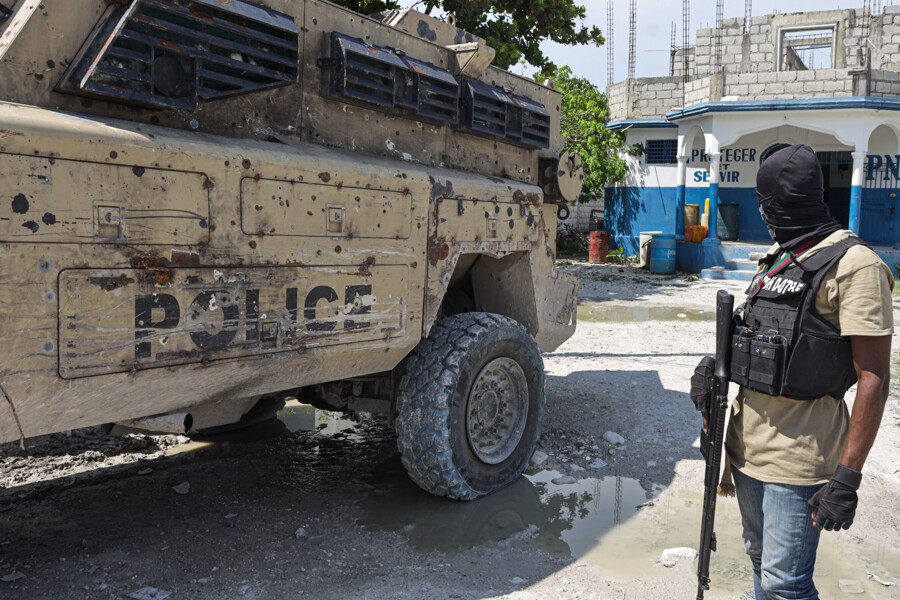
The United Nations reported that more than 8,100 murders were committed in Haiti between January and November 2025, a figure estimated to be below the reality due to limited access to areas controlled by gangs. In the country, long mired in a severe crisis, armed violence has intensified in urban and peri-urban areas, where gangs use large-caliber weapons and carry out coordinated attacks on multiple fronts, the report highlights. At the same time, it recalled that in 2025, the expansion of gangs beyond the metropolitan area of Port-au-Prince (West department) continued to weaken state authority and disrupt humanitarian and commercial routes. Between September 1 and November 30, 2025, Haiti recorded 1,991 homicide victims, including 142 women, 12 girls, and 44 boys, representing a 6.2% decrease from the previous quarter. In response, the National Police of Haiti, with the support of the Haitian Armed Forces and, in some cases, international troops under the Gang Repression Force, intensified operations against criminal gangs in the Port-au-Prince metropolitan area and parts of Artibonite, which allowed the reopening of several major roads, according to the document. However, homicides have increased significantly outside the capital, especially in the Artibonite and Center departments, where 1,916 homicides were recorded between January and November 2025, compared to 1,050 in the same period of 2024. "Gang violence remained widespread. Let's be clear: the country has no more time to lose in prolonged internal struggles," stated Ruiz Massieu. The situation requires, he added, that authorities, state institutions, political parties, civil society, the private sector, and religious and community leaders prioritize the national interest and act responsibly and moderately. Approximately 6.4 million people need humanitarian assistance in Haiti, placing the country among the most affected in the region in humanitarian terms. "The period ahead is crucial for Haiti. Homicides were targeted at individuals suspected of cooperating with the police or resisting gang control, while sexual violence, primarily against women and girls, was used as a punitive tactic," continued the UN office in Haiti. Gangs continued to commit kidnappings for ransom, extortion, and property destruction, hindering access to essential services such as healthcare and education, and worsening food insecurity and economic difficulties. According to the UN, there are also reports of an increase in child trafficking, with children still being used by gangs in multiple roles, including violent attacks. For the Special Representative of the Secretary-General in Haiti, Carlos Ruiz Massieu, at the start of this year, there are high expectations that tangible progress can be made in the political and security spheres to carry out the transition. To achieve this, it is necessary to assume political responsibilities, continue security efforts, and maintain a specific and coherent international commitment, as he noted during the report's presentation to the Security Council on Wednesday. "It is imperative that national actors strive to contain political fragmentation, set aside their differences, preserve institutional continuity, and focus on organizing elections. The management of the political calendar, support for still fragile stabilization efforts, and the response to persistent humanitarian needs will directly determine the country's capacity to move toward credible elections and a gradual return to the normal functioning of institutions," according to Ruiz Massieu.